Prevention & maintenance
What To Do After Disaster Strikes: A Homeowner’s Practical Guide
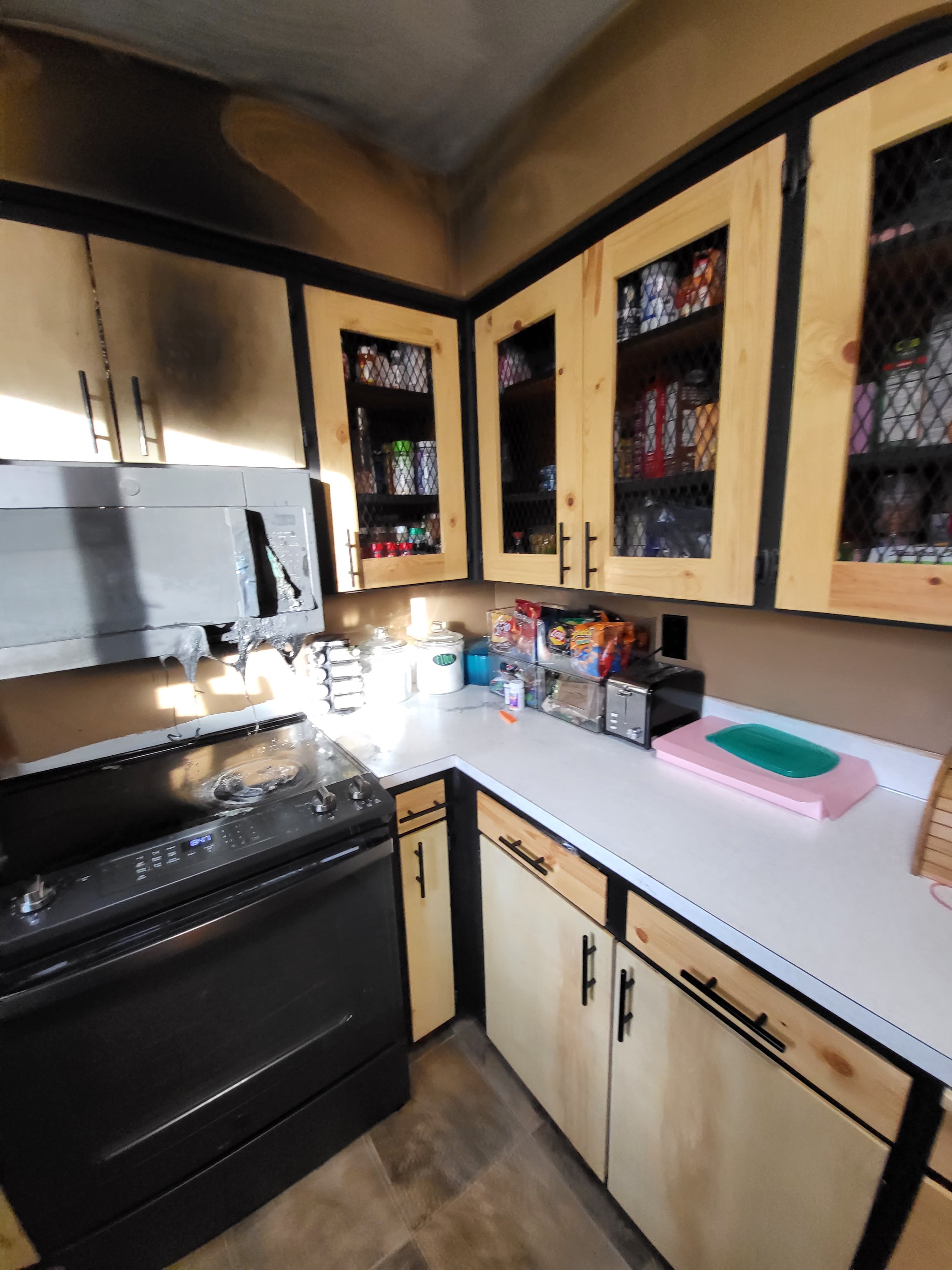
When disaster hits your home, the first few hours are the most critical. Water, fire, smoke or storm damage spreads fast, and the wrong move can make the situation worse. The problem is most people don’t know what to do next. They panic, wait too long or assume the damage is “not that bad.”
Here’s the clear, step-by-step breakdown homeowners need to protect their property and take control of the situation.
Step 1: Make Sure Everyone is Safe
Before you think about damage, insurance or cleanup, deal with the obvious priority: people.
Check for:
• Injuries
• Structural hazards
• Electrical issues
• Gas or chemical smells
• Unsafe entry points
If something doesn’t feel safe, get out and stay out until a professional tells you otherwise.
Step 2: Stop the Source (If You Can)
Disasters usually continue spreading for hours if not addressed.
If it’s safe:
• Shut off the main water valve
• Turn off the breaker
• Close doors to contain smoke or heat
• Block off damaged areas
Stopping the source early prevents thousands in additional repairs.
Step 3: Document Everything
This is the step most homeowners skip, then regret.
Before anyone moves or cleans anything:
• Take photos and videos
• Get close-ups and wide shots
• Capture furniture, walls, ceilings, flooring, appliances and personal items
Insurance claims move faster when nothing is missing or guessed.
Step 4: Call a Restoration Professional Immediately
Time is the biggest enemy in any disaster.
Waiting leads to:
• Mold growth
• Structural damage
• Lingering smoke and odor
• Material loss
A professional restoration team can start:
• Water extraction
• Board-ups
• Structural drying
• Smoke and soot cleaning
• Mold prevention
The faster the response, the smaller the total loss.
Step 5: Secure and Protect Your Belongings
Your property isn’t the only thing at risk.
A qualified restoration company can:
• Remove and store contents
• Prevent secondary damage
• Clean and restore items
• Separate salvageable from total loss
You avoid losing valuables twice: from the disaster and from mishandling.
Step 6: Notify Your Insurance Company
Most insurance companies require immediate notification.
Have these ready:
• Photos and videos
• A list of damaged items
• Receipts (if possible)
• Temporary living costs
A reputable restoration company will work directly with your adjuster and speed up the claim.
Step 7: Don’t Try DIY Cleanup
This is where people get in trouble.
Fire, smoke, mold and water damage require specialized equipment and safety standards.
DIY cleanup can:
• Spread contamination
• Leave moisture behind
• Mask odors instead of removing them
• Cause further structural issues
Professionals don’t just clean. They restore safely and correctly.
Step 8: Start the Restoration Process
Once the area is secure:
• Drying
• Decontamination
• Odor removal
• Repairs and rebuilding
The goal is always the same: return your property to pre-loss condition quickly and safely.
The Bottom Line
Disaster is overwhelming, but you don’t have to deal with it alone. Acting quickly, getting the right help and protecting your property in the first 24 hours makes all the difference.
If you want, I can rewrite this targeted specifically for:
• Lewiston homeowners
• Commercial buildings
• Healthcare facilities
• Apartment complexes
• Insurance adjusters
Or we can turn this into multiple blog posts, a downloadable checklist, or a landing page lead magnet.